Diamonds have long been surrounded by glamour, fascination and a little bit of mystery. As one of the most sought-after gems in the world, diamond jewelry often comes with its own set of beliefs and stories. Some of these ideas are rooted in fact, while others are more myth than reality. In this article, we take a closer look at some of the most common diamond jewelry myths and reveal what is true and what is just sparkly hype.
Why Diamond Jewelry Inspires So Many Myths
Diamond jewelry has always held a unique place in culture and history. The allure of a diamond goes beyond its sparkle and value. From ancient times to the present, people have assigned special meaning to these stones, linking them with love, success and even invincibility. Over the centuries, stories about diamonds have passed through families and across continents, growing into the myths and legends we hear today.
One reason diamonds inspire so many myths is their rarity and beauty. Before modern mining and cutting techniques, diamonds were even harder to find and more mysterious. Many early diamonds appeared in royal crowns or religious artifacts, which gave them an air of magic and power. As these stories were told and retold, the diamond’s reputation as a rare and precious object grew.
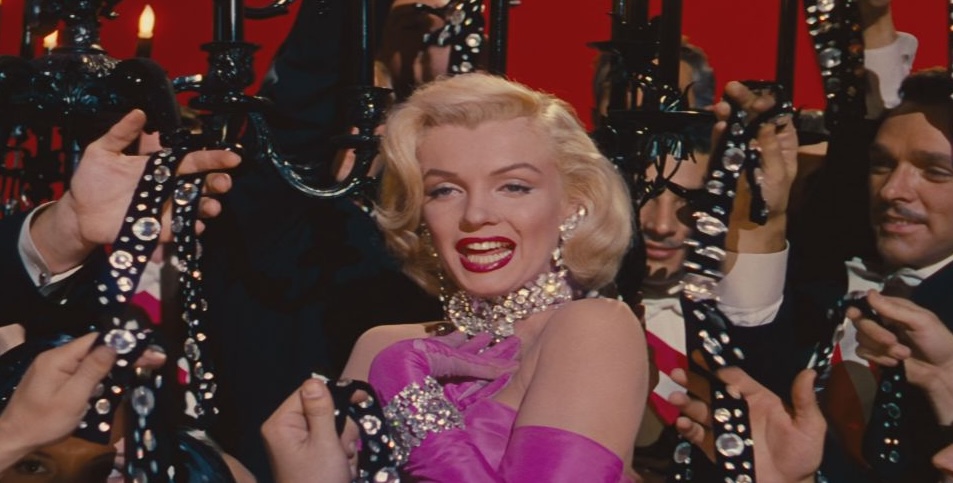
Another factor is the emotional role diamonds play in important life moments. Engagement rings, wedding bands and family heirlooms often feature diamonds. People want to believe their jewelry is not only valuable but also special or even magical. Marketing campaigns and Hollywood films have added to the mythology by painting diamonds as the ultimate symbols of romance and status.
The rise of new technology, like lab-grown diamonds, has created new myths and misunderstandings. Some people are unsure about how lab-grown diamonds compare to natural ones, while others still believe old tales about what makes a diamond “real” or valuable. Myths can spread quickly, especially online, making it even more important to separate truth from hype.
In the world of diamond jewelry, myths often blend with facts to create a sense of wonder. While there is nothing wrong with appreciating the magic of diamonds, knowing the real story can help buyers make smarter choices and enjoy their jewelry with confidence.
Myth #1: All Diamonds Are Investment Pieces
Many people believe that every diamond is a guaranteed investment. The idea that a diamond will always hold or increase its value is one of the most common myths in the jewelry world. While some exceptional diamonds have sold for impressive sums at auctions, most diamonds (especially those used in everyday jewelry) do not perform the same way as stocks, bonds or real estate.
The truth is that the retail price you pay for a diamond includes more than just the stone itself. There are costs for marketing, distribution and the jeweler’s profit. If you try to resell a diamond, especially through a jewelry store or online platform, you will often get less than what you originally paid. Only rare diamonds with unique qualities, important histories or significant sizes tend to increase in value over time.
Lab-grown diamonds are another factor to consider. While they offer beauty and value, they generally do not hold resale value like some rare natural diamonds. Their real appeal comes from their affordability and ethical origins, not their potential as investments.
Diamonds are wonderful symbols of love, celebration and achievement. Instead of seeing them as financial investments, it is better to enjoy their beauty and meaning for what they are.
Myth #2: Bigger Diamonds Are Always Better
A common belief is that a bigger diamond is always the best choice, but size is only one part of what makes a diamond beautiful and valuable. Many people focus on carat weight, thinking it will guarantee an impressive look, but this is not always the case.
A larger diamond with poor cut, color or clarity may look dull or lifeless compared to a smaller stone with excellent qualities. The cut, in particular, affects how well a diamond sparkles and reflects light. Sometimes, a smaller, well-cut diamond will appear brighter and more attractive than a bigger stone with lower grades.
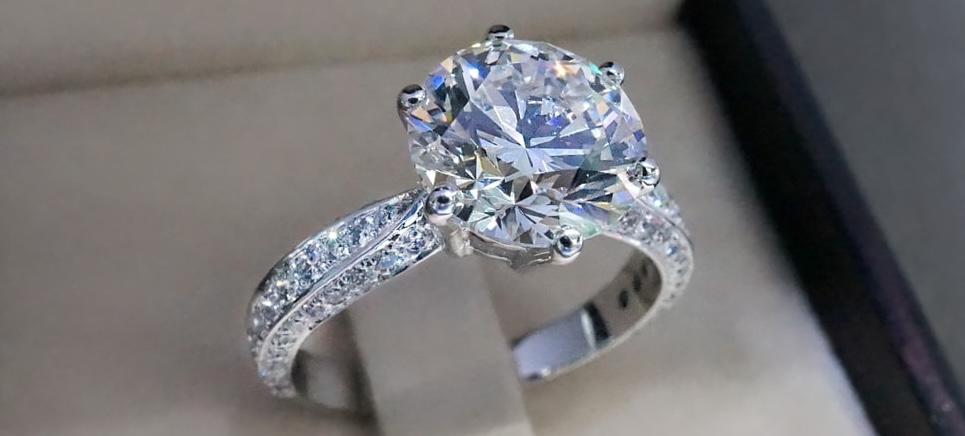
Personal style and practical considerations also matter. Some people prefer the elegance of a classic solitaire with a modest stone, while others choose larger center stones for a bolder look. Comfort is important as well, especially for rings or earrings meant for daily wear.
The best diamond for you is the one that matches your taste, lifestyle and budget. Chasing size alone can lead to disappointment if other important factors are overlooked. In the end, a diamond’s overall beauty comes from the right balance of size, quality and craftsmanship.
Myth #3: Only Natural Diamonds Are Real Diamonds
Some people still believe that lab-grown diamonds are somehow “fake” or not real, but this is simply not true. Both lab-grown and natural diamonds have the same chemical composition, crystal structure and physical properties. In fact, lab-grown diamonds are so similar to natural diamonds that even experienced gemologists need specialized equipment to tell them apart. And in 2025 lab-grown diamonds are cheaper than ever.
Lab-grown diamonds are created in controlled environments using advanced technology that replicates the natural process. The end result is a diamond with the same sparkle, hardness and durability as one formed underground. The only real difference is where the diamond comes from. Natural diamonds are formed over millions of years deep within the earth, while lab-grown diamonds are produced in a matter of weeks in modern laboratories.
Calling lab-grown diamonds “fake” is misleading. They are real diamonds and are recognized as such by major gemological institutes. Choosing between natural and lab-grown diamonds is a personal decision based on your values, budget and preferences, but both options are genuine.
Myth #4: The 4Cs Are the Only Things That Matter
The 4Cs (cut, color, clarity and carat weight) are important for understanding a diamond’s basic quality. Jewelers and buyers often use these characteristics to compare and evaluate stones. However, focusing only on the 4Cs can leave out other factors that affect the look, value and appeal of diamond jewelry.
One important aspect is the overall design of the jewelry piece. The way a diamond is set, the choice of metal and the style of the ring, necklace or earring can all influence how the stone looks and feels. Even the shape of the diamond, which is different from the technical “cut,” plays a big role in personal taste.
Brand reputation, craftsmanship and the source of the diamond are other things to consider. For some people, knowing their diamond was responsibly sourced or created with sustainable practices adds to its value. Emotional factors, such as family significance or the story behind the stone, can make a diamond even more meaningful.
The 4Cs are helpful for making comparisons, but the best diamond for you is one that fits your style, values and the occasion. Beauty, meaning and confidence go far beyond numbers on a grading report.
Myth #5: Diamond Jewelry Needs Constant Professional Cleaning
Many people think that diamond jewelry requires frequent professional cleaning to stay sparkling and beautiful. While a professional cleaning can restore shine and remove stubborn buildup, it is not necessary to visit a jeweler all the time. With regular care at home, your diamond jewelry can stay bright and eye-catching for years.
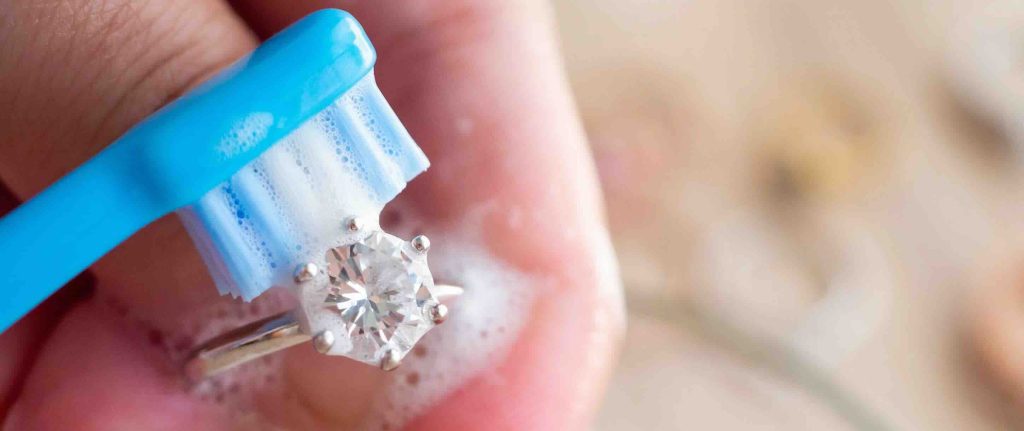
Most of the time, gentle at-home cleaning is enough. Soaking your diamond jewelry in warm water with a little mild soap and then brushing it with a soft toothbrush will remove most dirt and oil. Rinsing thoroughly and drying with a lint-free cloth helps keep your stones looking their best.
Professional cleaning is helpful if your jewelry has intricate settings, a lot of buildup or if it is a special occasion. However, over-cleaning or using harsh chemicals can sometimes do more harm than good, especially to the metal parts of the jewelry.
A little regular attention at home is usually all you need to enjoy the beauty of your diamond jewelry every day.
Myth #6: You Can Judge a Diamond’s Quality by Eye Alone
It is a common belief that you can spot a high-quality diamond just by looking at it, but appearances can be deceiving. While some differences, such as size or extreme color, are easy to notice, many aspects of a diamond’s quality are too subtle to detect without proper tools and expertise.
A diamond may look bright and clear to the naked eye, yet have inclusions or color tints that only show up under magnification. Even cut quality, which affects how a diamond sparkles, is hard to judge without seeing the stone from multiple angles or using grading reports.
Lighting and setting also play a big role in how a diamond looks. Jewelry store lights are designed to make every stone shine, but the real appearance of a diamond can be different in everyday settings. Gemologists use special instruments to measure and grade diamonds so buyers have an accurate understanding of what they are getting.
Trusting only your eyes may lead to disappointment or missed value. For the best results, combine what you see with reliable grading reports and expert advice when choosing diamond jewelry.
How to Tell Sparkly Hype from Real Facts
With so many myths and marketing messages about diamond jewelry, it can be hard to know what to believe. The good news is that separating hype from real facts is possible with a little research and attention to detail.
Start by looking for information from trusted sources. Gemological institutes, reputable jewelers and independent experts provide clear and accurate details about diamonds and jewelry. Always check for grading reports from recognized organizations, as these documents offer unbiased insights into a diamond’s qualities.
It is also helpful to ask questions and compare different options. Take your time to understand the features, origins and value of any diamond you are considering. Remember that not everything you hear in advertisements or on social media is based on reality. If something sounds too good to be true, it usually is.
Finally, trust your own priorities and preferences. The best diamond jewelry is not always the most expensive or the biggest. It is the piece that fits your style, values and the moments you want to celebrate. By combining facts with your own taste, you can enjoy your jewelry with confidence and clarity.
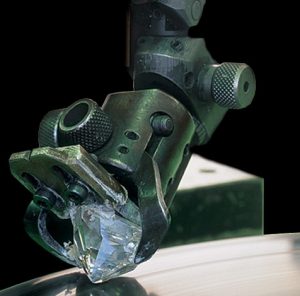 Hearts and arrows diamonds look best when the cut is perfectly symmetrical. In fact, this applies to any cut of diamond since a symmetrical cut will reflect more natural light and make the diamond look shinier and more transparent.
 The presence of this pattern is often mentioned as a note on a diamond’s grading papers. However, there usually isn’t any information regarding the quality of this pattern and the presence of the hearts and arrows pattern isn’t a guarantee of the quality of the cut of the diamond.